Why Construction Safety Matters on Every Sack Jobsite
In construction, safety isn’t something we talk about once and move on from, it’s something we live out every day on every jobsite. At The Sack Company, safety is part of the culture we have built over decades of performing work in high-risk environments where attention to detail can make all the difference.
Construction remains one of the most dangerous industries in the country. From working at heights to operating heavy equipment and navigating active jobsites, the risks are real. That is exactly why we believe safety has to be proactive, intentional, and built into every phase of every project.
Why Is Construction Safety So Important?
Construction sites are constantly changing environments. Crews work around heavy machinery, electrical systems, elevated surfaces, confined spaces, and moving materials every day. Without proper safety measures in place, the potential for serious accidents increases dramatically.
That is why safety is about much more than following rules. It is about protecting people, maintaining trust, and ensuring everyone goes home safely at the end of the day.
Saving Lives and Protecting Workers
The most important reason we prioritize safety is simple: People matter.
Construction work comes with inherent risks, including:
- Falls from heights
- Falling objects
- Electrocution hazards
- Heavy equipment accidents
- Trips, slips, and struck-by incidents
Preventing these incidents starts with preparation. Every employee deserves a safe working environment, which is why safety training, protective equipment, and jobsite awareness are taken seriously across every division of our company.
Safety is proactively practiced here. We strive to prevent accidents before they happen.
OSHA Compliance Protects Everyone
The Occupational Safety and Health Administration (OSHA) establishes safety standards designed to protect workers across the construction industry.
Compliance with OSHA regulations helps create:
- Safer working environments
- Clear safety expectations
- Better project organization
- Reduced risk of accidents
- Lower insurance and liability exposure
Failing to meet safety standards can lead to serious consequences, including fines, legal action, work stoppages, and project delays. More importantly, it can put lives at risk.
At Sack, we maintain strong safety standards as part of our commitment to both our employees and our clients. Safety is non-negotiable.
How Safe Jobsites Improve Productivity
A well-organized, safety-focused jobsite does more than reduce injuries, it also improves efficiency and productivity.
When workers feel safe and supported, they’re able to focus on the job at hand. Organized sites reduce confusion, minimize downtime, and help crews work more effectively together.
A strong safety culture like ours plays a major role in attracting and retaining skilled labor. Experienced workers want to work for companies that prioritize their well-being and invest in proper training and equipment.
Why Safety Impacts Reputation in Construction
In today’s construction industry, reputation matters.
Clients, contractors, and project owners want to partner with companies that have strong safety records and dependable jobsite practices. In many cases, poor safety performance can disqualify companies from bidding on future work.
A commitment to safety demonstrates professionalism, accountability, not to mention long-term reliability. It shows clients that projects are being managed responsibly from start to finish.
At Sack, we understand that safety reflects who we are as a company and how we care for both our employees and the communities we serve.
Preventing Delays and Financial Losses
Construction accidents affect more than the people directly involved. They can disrupt entire projects.
Workplace incidents often lead to:
- Project delays
- Work stoppages
- Increased insurance costs
- Worker compensation claims
- Equipment damage
- Legal expenses
These setbacks impact schedules, budgets, and overall project success. By maintaining strong safety protocols and ongoing training, construction companies can reduce unnecessary risks and keep projects moving forward safely and efficiently.
What a Strong Safety Culture Looks Like
Safety is not built through one meeting or one checklist. It requires continuous involvement at every level of a company.
A strong construction safety culture includes:
- Leadership involvement
- Ongoing employee training
- Clear communication
- Routine inspections
- Proper equipment usage
- Accountability across the jobsite
- Daily awareness and hazard prevention
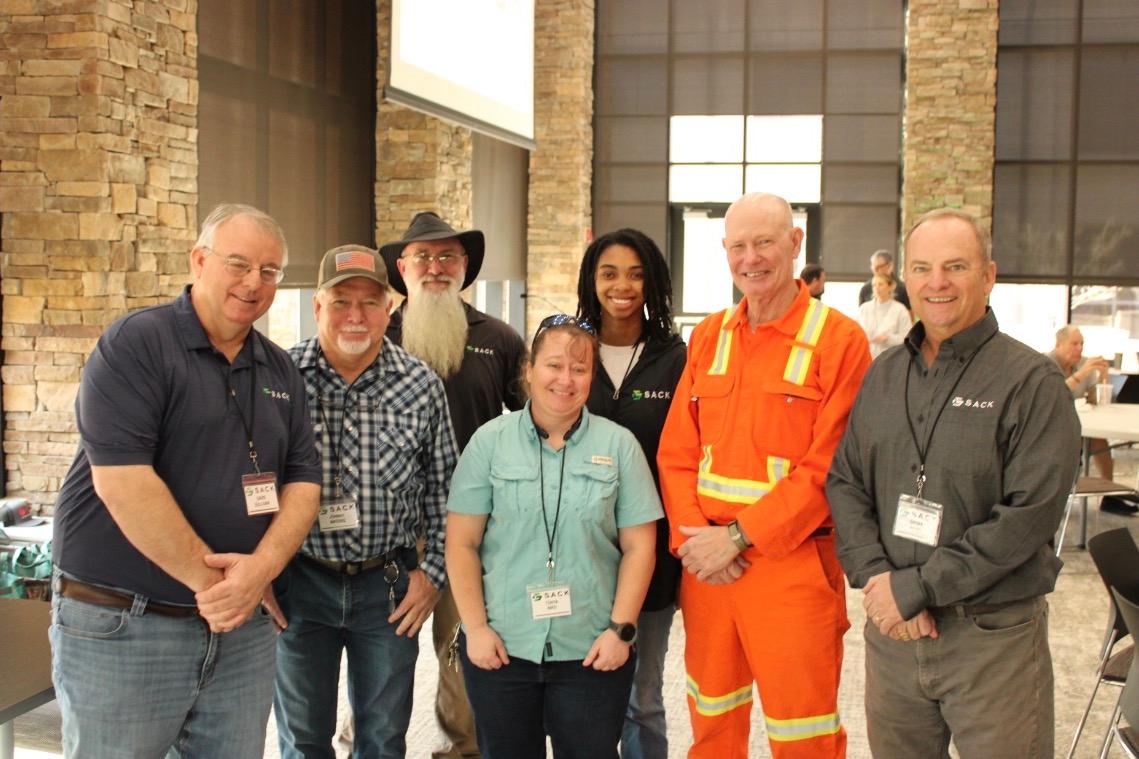
At Sack, safety is part of how we operate every single day. From apprentices to leadership teams, everyone plays a role in creating safer jobsites and protecting the people around them.
Building More Than Projects
Construction is about building things that last. But before any project can succeed, the people building it have to be protected.
Safety is not just a requirement in our industry. It is a responsibility.
By investing in training, preparation, communication, and accountability, we are able to create safer environments for our employees, clients, and communities while continuing to deliver high-quality work across every project we take on.
FAQ: Construction Safety
Why is construction considered a high-risk industry?
Construction involves working with heavy equipment, electrical systems, elevated surfaces, and constantly changing environments, all of which increase the risk of workplace injuries if proper safety measures are not followed.
What role does OSHA play in construction safety?
OSHA establishes and enforces workplace safety regulations designed to protect workers and reduce jobsite hazards across the construction industry.
How does safety improve project efficiency?
Safe and organized jobsites reduce downtime, improve communication, minimize accidents, and help projects stay on schedule and within budget.
Why do clients care about a contractor’s safety record?
A strong safety record reflects professionalism, reliability, and responsible project management. Many clients and contractors evaluate safety performance before awarding contracts.
What makes a strong safety culture in construction?
A strong safety culture includes leadership involvement, continuous training, accountability, communication, routine inspections, and a company-wide commitment to protecting workers.
Interested in a career with us?
We Bring Careers to Life
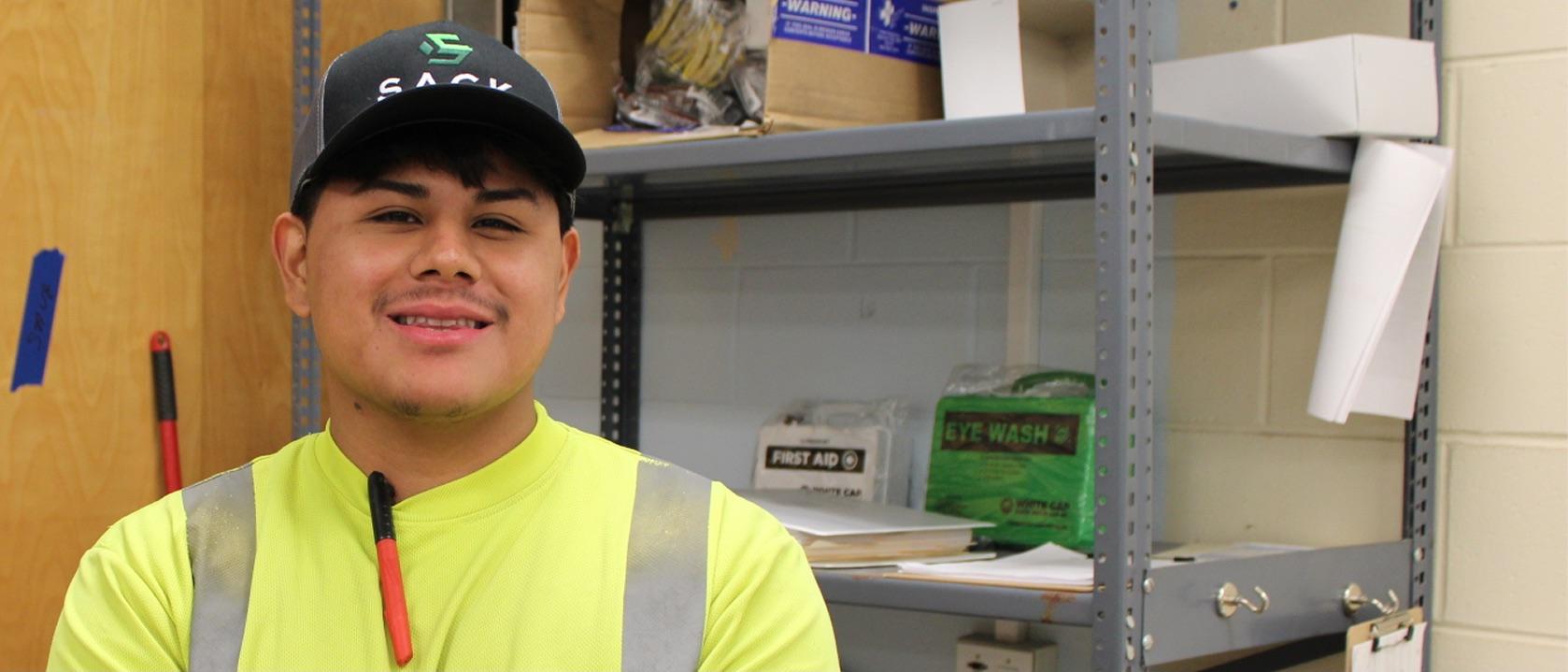
At Sack Company, we are building more than projects; we are building futures. Through delivering expert industrial and MEPF services across the Southeast, we provide an exceptional career pathway supported at every step by training and mentorship.